

Tag: Development Processes

  • Why and How to Invest in Digital Platform Updates (Instead of Complete Overhauls)

    It’s relatively easy for your organization’s decision makers to understand the need to build a new website or app, or rebuild an existing one. The results of these projects are visible to all; the ROI is conspicuous. 

    Investing in work that doesn’t have that obvious ROI, on the other hand, can be harder for leadership to stomach. 

    And yet, putting time and resources behind three such “hidden” initiatives—incremental UX improvements, behind-the-scenes system modernization, and bug fixes—is paramount to the long-term success of your organization and its online presence. 

    Let’s explore why and how to get the buy-in you need on updates (not overhauls) to your digital platform.  

    App and Site Updates Can Be Unpopular. Do Them for Your Organization Anyway.

    The three areas we want to encourage your decision makers to invest in (UX improvements, system modernization, and bug fixes) are not usually the initiatives that generate the most donations—let alone excitement. Remember: Few people care about unseen upgrades. But you’re still stuck needing to communicate the value of work that isn’t adding new features or apps

    Here’s what you must focus on to garner the support you need…

    A modern platform with few bugs will effectively reach your organization’s audience today. What’s more, it’ll be robust enough, thanks to modern tech, for further development in the future

    After all, you can’t always build a new thing (although there’s a time and place to do so, of course). Creating a fresh organization site or app takes upwards of 18 months, so you’re leaving your constituents high and dry with a faulty platform in the interim. More importantly, you can’t (or shouldn’t) build a new thing on top of an outdated, poorly functioning old thing. That’s just lipstick on a pig. 

    For a Modern Platform, Seek Support for These 3 Initiatives 

    Keeping your platform up to date and easy to use is the best course of action. When it is time for something new, your existing tech will be able to support modern dev tools and practices. In the meantime, you have a platform your organization’s constituents can enjoy using, thanks to investing in the three initiatives below. 

    1. UX Improvements 

    It’s perhaps easiest for your organization’s decision makers to understand the need to invest in your platform’s user experience. The UX of your site or app matters to your users, your donors, and, as such, to your organization as a whole. You may even receive less donations if, for example, one of your constituents can’t locate your donation page because of a poor UX. 

    Even though everyone generally accepts that a quality UX is important, you might need to help your internal stakeholders understand that UX improvements are incremental. Working on your UX is a process—not a one-off project. You need resources to support the UX of your platform on an ongoing basis, which is why we include incremental UX improvements as an update or modernization initiative you must undertake. 

    To get started with UX improvements, look at your site or app’s navigation and accessibility (you could check that the color contrast is okay for people with low vision). Both are low-hanging fruit when it comes to bettering your UX

    2. System Modernization 

    For lack of a better term, the fear of missing out (FOMO) is real in the nonprofit space! You and your decision makers alike want to keep up with your peers when it comes to the tech they’re employing. 

    But remember, you can’t effectively build a new platform atop an old one. Systems fall out of date, and your developers rely on outdated methods and software. From there, maintaining your app’s codebase becomes increasingly difficult because these older methods fall into disuse and the older software lacks support resources. It’s also harder to find staff to work in older coding languages and environments. 

    All to say, it’s a slippery slope when you fail to keep your systems modern, which is why doing so is critical. We’ve had clients spend an entire quarter just paying down their technical debt, which could’ve been avoided by making iterative updates. Modernizing, however unglamorous it may seem to your decision makers, is worthwhile. 

    3. Bug Fixes

    Bugs and deficiencies never fix themselves and often come back to bite your users. It seems obvious that a software bug never just goes away, right? But your development practices may demonstrate that, in fact, that’s exactly what you (or your internal stakeholders) think happens. You’re not fixing the issues that pop up—perhaps because you lack the resources to do so. 

    Here’s why you must advocate for support in fixing bugs…

    Unfortunately, when you ignore bugs or deficiencies, more and more of your users will encounter them over time. Eventually, they could become disillusioned with your organization. Buggy platforms also rely on band-aid workarounds to attempt to avoid buggy behavior, so you’re accruing tons of technical debt. 

    Intentionally addressing bugs and deficiencies, even if they aren’t particularly apparent to your users, ensures that you have the bandwidth to develop the features you want instead of working around the problems you don’t want.

    Tip: Keep track of your platform’s most common and problematic issues through your support department or inbox. Work first on the bugs and deficiencies your users are reporting most often. 

    Go Forth and Update Your App

    There are no downsides to keeping your systems modern and making iterative improvements. We know you already have your eye on your app or site’s deficiencies. And you probably have a long list of optimizations you’d like to make. We hope this article helps you justify how crucial UX tweaks, system updates, and bug fixes are to maintaining a user-friendly platform.


  • A Stress-Free Approach to Launching Your Ministry’s App

    Launching an app is intimidating, no matter who you are or what organization you work for. But it’s even more daunting for ministry leaders. Agathon has years of experience with product launches and has developed a plan for go-live days to address the unique challenges facing ministries. Our measured approach will quell your anxieties, so together we can seamlessly stand up the app you need to spread your mission. 

    The High Stakes of App Go-Live Day for Ministries 

    Deploying software, communicating with your constituents, raising questions with your developers—there are a lot of moving parts when it comes to taking your app live. So it’s no wonder why people are apprehensive about pressing the metaphorical big red “on” button. 

    And besides, all you want is a modern platform to better serve your constituents. You simply can’t stomach the thought of sinking time and money into the project just for your new app to break when it goes live. That would not only be embarrassing, but it would also be a blow to your org’s limited budget. 

    Okay, now we’ve laid out the (sometimes scary) realities you know to be true about app launch day. Let’s dive into solutions to making it a smooth go-live process instead of an anxiety-inducing one. 

    3 Phases of Properly Planning for Your Digital App Launch  

    Launch day is, of course, the day your app goes live. But there are many details to consider before, during, and after launch, too. That’s why we’ve broken down our app launch plan for ministries into three categories: pre-launch, for launch, and post-launch. 

    1. Pre-Launch: Select a Go-Live Date, Determine Minimum Launch Features, and Test Your Platform 

    There are steps you can take to safeguard your app’s launch well before your actual go-live date—and they’re some of the most important ones. 

    The first step? Choose your launch date. Circle it on the calendar. Share it with your entire team. 

    This step may sound simple, but intentionally selecting the date your app will go live is a critical motivating factor. It gives everyone something to work toward and look forward to, and fosters accountability. 

    You should also determine your app’s minimum launch features before going live. 

    It’s tempting to plan for a splashy launch, packing your app full of awesome features from the get-go. But more features mean more potential opportunities for your app to break down. So, selecting your minimum launch features is vital to managing the risks associated with going live. 

    Think of your minimum launch features as the core of your app. For example, if you are creating an app for users to listen to sermons, the sermons must be viewable as soon as the app goes live. However, the app can function just fine without a note-taking feature—that can be developed post-launch. 

    Arriving at a list of minimum launch features is straightforward. Simply cut down your list of desired app functionality as much as you can. Once you get to a group of features that are absolutely critical to your app’s basic functioning, you’ve got your launch list. This process will involve back and forth between key stakeholders as you pinpoint your priorities. 

    Lastly, be sure to conduct alpha and beta tests of your app before you reveal it to the world. 

    Alpha testing can be simple and just among your team, while beta testing should take place with a sample group of your ministry’s constituents. In both cases, the goal is to uncover user sticking points so you can smooth out the UX prior to your official launch. 

    2. For Launch: Define App Deployment and Rollback Plans 

    This next series of steps will also happen pre-launch, but they are more directly tied to the app launch itself and can take place closer to your go-live date. 

    First, establish a written plan for your launch that all important parties have access to. Your plan should include deployment details like:

    • How the software will get published, 
    • Who will press the button to publish it, and
    • The roles and responsibilities of team members on launch day. 

    In terms of roles and responsibilities, when we partner with our clients, we always assign a project manager to oversee the entire app development process and a deployment manager who’s in charge of go-live day. We also triple-check that developers will be on call to answer any questions that arise upon launch. And, of course, we’re in close contact with you every step of the way. 

    It’s also vital to create a rollback plan for your ministry’s app launch day. 

    A rollback plan goes through exactly what to do if something unexpected happens during launch and you have no choice but to revert to your old platform. It’s a last resort; in fact, we’ve never had to use one. However, having a rollback plan in place is the responsible thing to do, just in case. The alternative is fixing issues with your newly launched app on the fly, which is messy for you and a poor user experience for app visitors. 
    3. Post-Launch: Conduct a Project Retrospective and Plan What’s Next  

    With your action and rollback plans in place, you can officially launch your ministry’s app! But going live isn’t the end of the road—far from it. 

    It’s important to hold a retrospective meeting no more than two weeks after your app launches. That way, you can discuss what went well and what needs improvement—before the details are hazy in everyone’s minds. 

    Your retrospective meeting is also a great time to list out the app features you want to tackle next. Don’t let too much time go by before diving back into optimizing your app or you risk losing momentum all together. 

    The last step on your app launch journey is…celebrating your achievement! You made it through the big go-live day. And if you followed the advice we’ve laid out here, it was more than likely a successful launch for your ministry. Order some pizzas and congratulate your team for a job well done.

    Agathon Is Here to Help Launch Your Ministry’s App or Website 

    The truth is, simply knowing the steps to successfully launch an app might not be enough. If you need a partner to carry out those steps by your side, we’d welcome the opportunity to work with you to get your ministry’s app live.

  • 5 Common Blunders to Avoid When Starting a Web or App Project for Your Ministry

    5 Common Blunders to Avoid When Starting a Web or App Project for Your Ministry

    Ministry leaders like yourself–about to begin a new web or app project–often feel immense pressure. After all, the success or failure of your product significantly impacts your ministry’s growth, reach, and reputation. Moreover, the resources you invest in the project give you little room for error. Rebuilding the product isn’t generally an option, even if it falls short of users’ (and your own) high expectations. You’re already squeezing everything you can from your budget to stand up the product the first time. 

    Despite these understandable concerns, developing up-to-date digital products is essential for engaging your constituents in your mission. Today’s end users expect pleasant and seamless user experiences from their digital interactions. 

    To put your ministry in the best possible position for success, it’s crucial to avoid common project blunders that will derail your efforts. Below, we’ll discuss five missteps you can skirt to ensure your ministry’s app or website meets the needs of your constituents—and, ultimately, further spreads your mission.

    1. Building Your Ministry’s Digital Product for the Wrong Audience

    One of the most critical mistakes you can make when starting a new project is planning and building your ministry’s app or website for the wrong audience. 

    It’s not uncommon for internal stakeholders to create an app or website as if they’re the primary ones who will be using it. While their input can be invaluable (more on this later), you must develop your product with the people who will genuinely be using it—your constituents—at the forefront.

    Remember, the primary purpose of your app or website is to spread your ministry’s mission—and Christ’s teachings—as far and wide as possible. A product that resonates with the greatest number of your constituents (not simply with the personal preferences of individuals) is the best way to encourage its widespread adoption. 

    2. Setting Aside User Research as Your Project Takes Off 

    An essential aspect of any successful app or website project is gathering robust user research and feedback to inform the plans for your product. To truly understand your constituents’ needs, you must engage with them directly, conducting interviews, surveys, and focus groups to glean valuable insights.

    Sidenote: When you conduct user research, be sure you’re not only interviewing your organization’s “super fans.” These folks will likely use any product you create because they’re wonderfully loyal to your ministry. The real opportunity lies in converting more passive constituents into super fans because of your awesome new app or website.

    Consider taking a decidedly analog approach to keep user research findings at the heart of your development process. Posting physical sticky notes—or even poster boards—with user personas around your workspace serve as tangible reminders of who you’re building your product for. Maintaining consistent focus on your intended users will ensure your end result truly meets their needs.

    3. Involving Stakeholders at the Incorrect Times

    Finding the right balance of stakeholder involvement is another critical-yet-difficult aspect of avoiding project blunders. Ensuring key stakeholders—including leadership, development, UI/UX, and finance team members—are involved in the early stages of your project, particularly during the discovery phase, is vital to aligning your team’s vision and creating a clear roadmap for success.

    That said, all stakeholders do not need to be involved in the entire process. In fact, involving too many stakeholders can quickly lead to a focus on their perspectives rather than your users’ needs. 

    Ensuring a balanced approach throughout your project keeps your efforts streamlined and focused on that ultimate goal: creating a successful app or website for your ministry’s constituents that furthers your mission.

    4. Failing to Pivot on Your Ministry’s Path to the Final Product 

    App and website projects are complex and ever-evolving. It’s important to maintain an agile approach, allowing your team to pivot and adjust based on new insights and learnings. While some planning is necessary—we love a good on-site discovery session!—attempting to hash out every detail from the outset can hinder your project’s adaptability.

    You and your team will uncover new insights as you journey through your project. You need to be adept enough to incorporate these insights—without throwing off the whole timeline. Similar to managing stakeholder involvement, it’s another balancing act. 

    Examples of necessary pivots include altering your target audience or implementing new features based on user feedback. Case in point: our client, EveryCampus, had to shift their tone from speaking to college students to speaking to the pastors and professional staff serving them. We could only pivot once we realized students weren’t using the app like we thought they would. And if we hadn’t pivoted? The app would never have appealed to the correct user group. 

    At the end of the day, it’s about remembering that change and adjustment are inevitable—and essential to ensuring your project’s success. 

    5. Spending Your Entire Project Budget Pre-Launch

    While it’s necessary to have adequate funds for your ministry’s project from the get-go, it’s just as imperative not to overspend before your product even launches. 

    A good rule of thumb is to reserve approximately one-third of your budget for post-launch expenses. That might include latent adjustments based on user feedback and other enhancements you want to add to your app down the line.

    A Successful Project Is a Step in the Right Direction for Your Ministry  

    Taking on a new app or website project for your ministry is challenging, given the high stakes and visibility of such an endeavor. By avoiding these five common blunders, you will significantly increase the likelihood of your project’s success, delivering a digital product that effectively satisfies the needs of your constituents while further spreading your mission. 

    Remember to keep your audience’s needs and preferences at the forefront of your efforts, maintain a balanced approach to stakeholder involvement, and allow for flexibility and adaptability as you navigate the sometimes complicated landscape of app and website development.

    And of course, Agathon is here to further guide your ministry’s project should you need a hand.

  • Choosing Between A Values-Based Agency or Individual to Build Your Ministry’s App

    Enlisting an individual to build your ministry’s web or mobile application might seem like a good idea, at least on the surface. You can likely find someone in your network (through your church, in your community, via a trusted friend, etc.) who can quickly stand up a serviceable app. However, the benefits of partnering with an established, missionally compatible agency quickly outweigh any potential pros of working with an individual. 

    From their breadth of technical expertise to their deep bench of diverse experts, agencies are able, in the long run, to provide significantly more value for your ministry than any one person could.

    When Is a Freelance Developer Sufficient for Your Ministry?

    As noted, your ministry will need to partner with an agency for your development needs in the long run. But there are some scenarios where hiring an individual is okay, particularly in the short term. 

    If your ministry is new and simply needs a business card website or proof-of-concept, an individual developer can probably get you online faster and cheaper than an agency can. You can then use your basic site (or app) to garner additional funding and make your mission known more widely. Again, this is a good use of a freelancer. 

    How Do You Know When It’s Time for an Established Agency?  

    Every ministry intent on stability and growth will reach a point where they require an agency to build and nurture their digital presence. Working with an established agency is the only way to holistically strategize your hallmark app—one with the functionality and flexibility you need long-term. 

    How will you know your ministry has outgrown working with an individual contractor? When you’re in need of implementers and maintainers, not just visionaries. Here’s what we mean:

    Organizations are made up of visionaries, implementers, and maintainers. Visionaries do big-picture thinking. They pursue goals aggressively, and they pursue aggressive goals. Implementers come in behind visionaries and systematize the vision. They make things repeatable and pleasant to look at, generally concerning themselves with more practical details. Finally, maintainers keep the systems implementers established running forevermore. Each of these groups is important. 

    If your ministry is in a visionary stage, you can likely get away with hiring a visionary individual who can take the idea and run far and fast to build the app you need at the moment. But that’s no way to pave a perennially serviceable road. 

    Once you realize your ministry needs an honest-to-goodness web or mobile app rooted in a project with guardrails, safety valves, and strategy, you’re ready for an agency. 

    3 Benefits of Working with a Missionally Aligned Agency

    Again, every ministry can benefit from using an agency eventually. It’s simply a matter of when their tech requirements call for more resources. When you bring an agency on board, you’ll realize so many benefits, including the three that follow. 

    As a ministry, partnering with the right external development firm can mean even more than just getting the app your org needs. It can mean finding a group that’s an extension of your team from a mission perspective. One that holds space for the same values as you and desires a fruitful relationship that yields technology capable of spreading your ministry’s message far and wide. And not just for the sake of a solid day’s work, but for kingdom-oriented purposes, too. 

    1. Deep and Varied Technical Expertise  

    An individual can only know so much about app development. Even if they’re extremely experienced, they’re still just one person. 

    A well-established agency, on the other hand, has multiple experts with varying specialities. Consequently, an agency tends to be more well-rounded from a technical perspective. They simply have more employees, which means more experiences with a wider array of tech solutions. Quality agencies staff folks who understand: 

    • App and web accessibility
    • Responsive design 
    • APIs and their integrations with consumable services 
    • How to avoid or minimize technical debt 

    An added benefit of having more employees? The work on your ministry’s project doesn’t stop just because someone goes on vacation or leaves the agency. Others are able to cover in the event of employee absence. The same can’t be said for working with an individual. If they’re absent, work halts. 

    2. Diverse and Experienced Employees

    It’s not just that the best agencies have multiple employees. It’s that these employees come from diverse walks of life, especially in the world of Christian-based agencies like Agathon

    Why should staff diversity matter to you? The diversity of the employees’ experiences gives them particular insight into your ministry’s unique needs. The employees can draw on their backgrounds and learnings from serving other ministries in the same space, other ministries in different spaces, and even for-profit or enterprise companies. 

    All the diverse experiences employees bring to the table lead to the best possible outcomes for your organization. Conversely, one person only brings one perspective to the table, which might not be enough to ideate the effective tech solutions your ministry needs. 

    3. Values You Can All Agree On 

    As we touched on before, the right agency to serve your org’s development needs will also be aligned with your ideals, which is critical to maintaining the sacredness of your mission and ministry. 

    Many individual contractors lack an online presence that speaks to their prior work (if they have any) in the Christian ministry space. Further, an individual might be associated with your ministry through a friend, or a friend of a friend, as mentioned. But in today’s day and age, that unfortunately does not guarantee their values are aligned with your ministry’s. 

    An agency that’s right for you is already operating in your ministry’s orbit and the Christian non-profit space. Importantly, their website provides proof of their alignment with your values through case studies and purpose statements. Their social media presence is also a good indicator of their values. 

    It comes down to the fact that the right agency is more intentional about pursuing work that matters. For your ministry, that means your Kingdom-building work is understood and amplified. 

    A Boutique Agency for Your Ministry’s Development Needs 

    Agathon can be the values-based agency you need to build your website or app. We staff technical experts from various walks of life. And we care deeply about furthering your mission. Because ultimately it’s our mission, too.

  • Why You Should Find a Missionally Aligned Partner for Your Ministry’s Digital Needs

    As a Christian ministry, your mission is your most valuable asset. It’s your duty and joy to spread that mission to your constituents and beyond. But communicating your mission is complex, especially given the ever-expanding array of technologies you must use to do so. And especially with the wrong digital strategist in your corner. 

    That’s why it’s wise to work with a digital agency that shares your values to maximize collaboration and facilitate a more fruitful, values-based partnership. 

    The Challenge of Contracting Work as a Christian Organization   

    It’s not easy to enlist the right outside contractor. Ministry’s often default to hiring either: 

    1. A large, well-known firm with an impressive roster of clients, or 
    2. An individual, independent contractor who they know personally or from word of mouth. 

    Each of these scenarios works out some of the time. But too often, these partnerships prove problematic. 

    A large contractor likely has the bandwidth, tools, and experience to serve your digital needs well. But they almost certainly do not share the values of your ministry. As a result, they might have unsavory clients that could rub your constituents the wrong way. And you’ll probably find yourself explaining a lot of your vernacular just so they can properly wrap their minds around your mission, which is time-consuming. 

    Someone who comes recommended by a colleague or church member, on the other hand, will intuitively understand your lexicon. But a single person might not have the capability to deliver everything your ministry needs. 

    3 Reasons to Seek an Agency that Shares Your Ministry’s Values 

    There is a third option when it comes to outsourcing your ministry’s digital projects. You can partner with an organization like Agathon.

    Our firm was built to do good. In fact, the Greek word “agathon” means “good” in a holistic sense: morally, aesthetically, and functionally. We strive to do good work, providing elegant solutions to thorny problems, while intentionally serving organizations like yours that are doing good in the world. Consequently, we share your ministry’s values and vision—and vernacular. And critically, we retain sufficient talent to provide you with the high-quality solutions you need. 

    Let’s dive deeper into the top three benefits of working with an external firm that is aligned with your ministry’s ideals:  

    1. A Single Lexicon Allows for a More Efficient Engagement 

    As we’ve said a few times now, contracting with an organization that shares your values and supports your mission means you also share a common vocabulary. But how does that truly impact your work together for the better? It comes down to how mutual understanding streamlines your working relationship with your external partner. 

    As you know, the Christian world is full of specific language. When you and your contractor both know that language, you can use it as a kind of shorthand. You won’t have to explain everything having to do with your mission multiple times, slowing down your project’s progress. And your contractor readily internalizes your values and can almost automatically express them effectively through their work for you. 

    2. Shared Morals Give You Peace of Mind  

    You can rest easier when you hire an organization with the same ideals as yours. Why? Because you needn’t worry about what this contractor will say or do on your behalf or on behalf of your ministry. Or if they’ll offend your employees, volunteers, board, or constituents. Remember, they are morally aligned with you and your org. 

    Additionally, the right, missionally sympathetic partner is just as selective about the clients they take on as you are (or would like to be) about the contractors you’re able to work with. There’s virtually no risk the agency’s other clients are unsavory, which is critical for your ministry. Imagine if your loyal donors found out about a less-than-ideal client your contractor supports. That’s the kind of thing that can irreparably damage your ministry’s reputation—even your personal reputation—whether you knew about said client or not. 

    Lastly, when you work with a fellow Christian organization, you don’t have to worry about getting fleeced or saddled with shoddy work. The right partner will do everything they can to foster a fruitful engagement simply because it’s the right thing to do. 

    3. Working from the Same Foundation Maximizes Your Efforts

    Speaking of preserving your ministry’s reputation, selecting an external partner with a comparable moral compass shows your board and constituents that you are so dedicated to your mission, even your contractors are aligned with its message. That will go a long way to not just upholding your reputation, but buoying and amplifying it. 

    What’s more, the right contractor is a force multiplier. Together, you can produce results that are greater than the sum of your component organizations. And you can feel good about investing in a contractor who is rowing in the same direction toward Kingdom-oriented purposes. 

    Let Us Lift Up Your Ministry’s Mission Alongside You 

    At Agathon, our value proposition for prospective clients differs significantly from that of a “mainstream” agency; we lead with our shared values. Always. Whether that looks like convening an on-site discovery session with a prayer or empathizing with your plight to seek a more just world, you will instantly know we’re cut from the same cloth. 

    We believe strongly that these shared values—in addition to our plentiful technology and team resources—are what leads to a mutually successful engagement. And, of course, an optimized platform from which to spread your ministry’s vital mission.

  • How to Build a User-Approved Digital App for Your Ministry

    The digital landscape has shifted tremendously in the last decade. Back then, the question your ministry had to answer was simply, “Do we need a digital app, or will a mobile-friendly website suffice?” But nowadays, a mobile-friendly website is the baseline—it’s assumed your website will work on screens of all sizes.

    Since a mobile-friendly site is now a given, the question isn’t, “does my ministry need an app?” The question for many has become, “how do I build an app for my ministry?” And not just any app, but an app that will serve the true needs of your constituents and further your mission.

    5 Proven Steps to Create a Successful App

    As development professionals, we know how to build an app. Digital agencies like Agathon generally agree on the steps necessary to create an effective final product. 

    But ministries like yours? You may not always be familiar with the process, which is completely understandable. It’s not your area of expertise.  

    Here, we’ll detail the five steps of digital app development to demystify the experience of getting an app live—and how Agathon can help. 

    Step 1: Conduct User Research to Understand Your Constituents

    The first step of building an app—user research—has nothing to do with the dev side of building. What it does do is build empathy. When done right, user research encourages your team to understand and consider the wants, needs, and pain points of your constituents. 

    It’s easy to get caught up in your own excitement or in pleasing internal stakeholders during a build. But internal opinions about what your app should or shouldn’t include don’t always align with end users’ real needs. Consequently, conducting user research, and allowing its results to inform app development, is the only way to ensure you’re creating a platform your users actually want and will use. 

    User Research Methods for Ministries 

    There are many options when it comes to conducting user research. Perhaps the most accessible option is market analysis. Anyone can purchase reports from research centers like Gartner or Pew, then comb through the data to extract relevant information. 

    Market analysis is helpful for understanding your ministry’s larger landscape, but it’s not incredibly specific or insightful. That’s why the best kind of user research involves direct interaction with users. 

    This research could take the form of:

    • Interviews, 
    • Focus groups, or 
    • Direct observations. 

    Imagine giving representative end users a task to complete within a beta version of your ministry’s app and watching them move through the steps to do that task. You’d glean so much valuable information observing their victories—but also their sticking points—operating your platform. Leverage this information to tailor your app to users’ needs and it’s sure to be a success
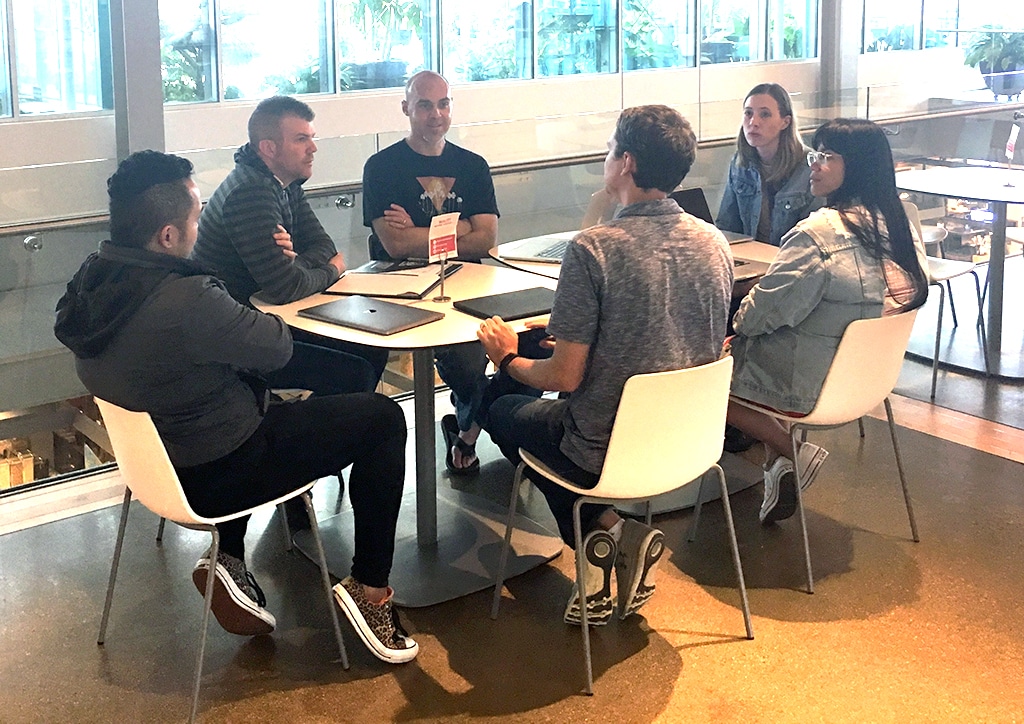
    Typically, user research is completed upfront. That’s why we listed it as step one. But keep in mind that user research can be conducted during discovery and building (the following steps) as well. The more user feedback you gather, the better!

    Step 2: Complete Discovery to Solidify Your App’s Scope

    Another foundational step of the app development process is discovery. Discovery gets the right stakeholders in the room to figure out exactly what needs to be done to create your app and how to go about doing it. 

    There are two main benefits to the discovery phase:

    • It ensures the most accurate scope and budget possible for your project, and
    • It builds team-wide consensus around your app, charting the straightest path from an initial idea to a user-centered concept. 

    Facilitate a Discovery Workshop

    It’s important to note that having an outside partner spearhead your discovery workshop tends to lead to the best, most unbiased results—and consequently the best app. 

    There are five steps to Agathon’s discovery process, refined from industry best practices to meet the specific needs of ministries:

    1. Framing: figuring out what needs to be accomplished
    2. Empathy: elevating the user’s perspective
    3. Journey: pinpointing the user’s journey with your app, including problem areas, by creating a journey map
    4. Exploration: brainstorming how to facilitate each step on the journey map
    5. Product backbone: developing an actionable features list to be executed during the building phase 

    Steps 3 and 4: Build, Test, and Refine Your App 

    The next two steps—building and user testing—go hand-in-hand. In fact, you’ll toggle back and forth between them as you finalize your product, which is why we’ve lumped them together here. 

    Building your app starts with foundational work. Think of it like building a literal foundation for a house. You have to prepare the land before you pour the concrete. How? Build out specific features or key moments of the user experience a little at a time. 

    The All-Important Build-and-Test Cycle 

    Once you have a feature “drafted” (finished enough to show users but not perfectly polished), it’s time for step four: user testing. 

    Allow users to try out the feature. “Users” ideally refers to the people who will actually use your final product. At Agathon we also test with our team and our client’s team. See where your test groups get held up, or what they gravitate toward. Take that feedback and let it color how you complete the feature when you return to the “build” step. It’s a basic—but vital—feedback loop. Build, test, and repeat until you have a full set of user-validated features that make up your ministry’s app. 

    Creating apps in this way (with a feedback loop) ensures you’re constantly on track to build a user-friendly app. The alternative is building the app in one fell swoop and crossing your fingers it doesn’t flop when it finally gets into users’ hands. There’s simply no reason to take that risk. 

    Step 5: Launch Your Ministry’s App with Confidence 

    If you’ve carefully carried out steps one through four, the last step—launching your ministry’s app—won’t be intimidating. You’ll know your constituents will enjoy your product because you spent the necessary time asking them for their opinions as it was planned and built. 

    As mentioned, not everyone’s a developer. These app creation steps are obvious to us and others in the industry because it’s a time-tested development approach. At Agathon, not only are we developers, we’re developers just for ministries like yours. We share your commitment to faith-fueled digital products. If you need a guide through this process, we’re here to help.

  • How Product Pricing Works (and Why It Shouldn’t Scare You)

    How Product Pricing Works (and Why It Shouldn’t Scare You)

    If your ministry is considering a new initiative or product, one of the first questions you’ll ask any potential development partner is, “How much is this going to cost?”

    The answer is: It depends. 

    Think about product pricing the way you might budget for a vacation. If you only ask how much a vacation costs, you won’t get a valid answer because the answers are endless. You have to ask clarifying questions.

    Where are you going? Overseas or within your own country or state? Traveling by plane, car, boat, or train? What kind of accommodations are you looking for? A luxury resort, roadside motel, or a campground? 

    Pricing in the product development industry demands a similar level of inquiry to arrive at a more accurate cost estimate. Do you need a mobile app or a responsive website that works on a phone? Do you want to make it easier for existing donors to contribute or tap a new source of contributions? Do you want to spread the gospel or give your members a new platform to communicate?

    We know you have budget constraints, boards to answer to, and constituents to serve. 

    Agathon’s approach to pricing is to be as transparent as possible to help you overcome any fear, anxiety, or doubt you might have about the cost of a new development project. 

    Let’s examine the considerations that go into determining the cost of a product development project and help dispel some of the confusion and fear that can go along with it. 

    Accurate Product Pricing Requires a Deeper Discussion 

    Conversations around pricing come up in almost every introductory call with clients. “We won’t hold you to this, but how about a ballpark price?” they often ask. 

    Even if we could offer a ballpark price, that’s still just throwing darts at a board. Other companies in the product development sector will often provide an estimate, but that amount frequently balloons, breeding distrust between developers and their clients. 

    If we can continue the conversation in a constructive way, we can arrive at a price that genuinely reflects the goal of the project and the scope involved: What are we building, by when, and for whom? Do we know what we don’t know? We work to figure it out together before hitting on a cost. 

    How Product Pricing is Different From Other Industries 

    To understand the pricing process, you have to appreciate how product development differs from other services and industries.

    We had a leaky toilet seal recently, so we called a plumber. He gave us a quote on the spot, did the work, and charged us the price he gave us. How did he know what it would cost for that repair? Because he’s done the exact same thing a thousand times and knows precisely the cost of parts and labor.

    Our work is never as straightforward, repeatable, or predictable. Every build is different, with its own set of challenges and complexities. There are no off-the-shelf, plug-and-play solutions with standard prices to match.

    Pricing a web or mobile app isn’t like ordering from a set menu. If this were a cookie-cutter business, then perhaps. But that’s not what you’re looking for. Instead, you need something that moves the needle, and that requires doing things that are not the same as what everyone else has done.

    We’re building custom solutions designed to address specific problems for a targeted audience. That level of complexity demands a more rigorous approach to pricing. Before we can put a price tag on anything, we need to know what we’re building. And that requires Discovery, which we’ll discuss more deeply in the next section.

    Discovery Process Helps Set Price and Determine Direction 

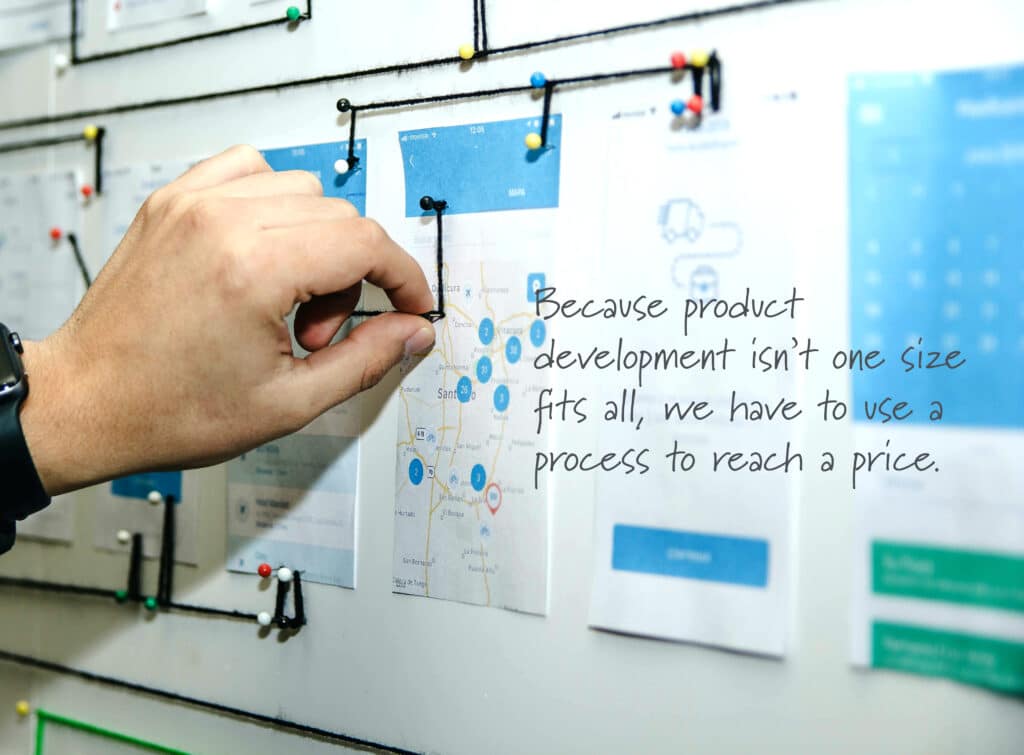
    Because product development is not one size fits all, we have to use a process to reach a price. We call that process Discovery. The terminology may change from company to company, but Discovery is essentially a discussion that helps determine what is being built for whom and by when. 

    Quote: Because product development isn't one size fits all, we have to use a process to reach a price.

    That process starts by getting the right people in the room. We gather those who are invested in the outcome, those who have ideas and insights to contribute. And we figure it out together. 

    Discovery also helps uncover what a client truly needs. Frequently a client will come to us with something specific in mind. But in the course of Discovery, we might find that what they actually need is something quite different than what they initially thought. Sometimes that’s a smaller solution. Sometimes it’s something more involved. 

    Either way, Discovery provides us with a roadmap that helps us reach consensus on what needs to be built and allows us to offer a cost estimate.

    What Factors Influence a Final Product Pricing Estimate?

    With our Discovery process complete, we now have a more holistic understanding of what our client needs. 

    But even then we need to determine how a price for that work should be set. Product developers typically use one of two pricing models:

    1. Map out the project requirements, then put time/effort estimates on each, accounting for quality assurance testing, project management, meetings, etc.
    2. Set a budget and define the project to fit within that budgeted amount.

    In our experience, the most successful approach blends the two models above:

    • Prioritize the requirements for the product’s first release as in #1.
    • Determine how far we can get through those initial requirements within the budget constraints as in #2. 

    This approach requires a lot of communication and adjustments along the way to ensure we’re investing time on aspects of the product that matter most. It also creates greater transparency throughout the process.

    3 Essential Elements of Accurate Product Pricing

    Once we’ve settled on a pricing model, we will take a closer look at each of the factors that will go into an estimate:

    • Setting priorities. In almost all cases, a client will come to us with a fixed budget. So we focus on what’s important first. What can we do to get a product to launch and then layer on additional features in response to user needs? We do that within the budget constraints. By delivering the most important features first, you’re in a good spot. And if additional budget becomes available, we can continue to iterate upon and improve that product. 
    • Identifying deliverables. This is about knowing exactly what is being built. The price of a website will be different from the price of a mobile app. The price of a communication platform will differ from one used to collect offerings. 
    • Costs after launch. This isn’t about cost overruns or a bad estimate. The reality of product development is that we come up with new ideas along the way… as we should! The energy around product development sparks unexpected but fantastic insights that we capture for consideration after the initial launch. As a rule of thumb, it’s good to set aside 30 percent of a budget for post-launch development. 

    Don’t Let Uncertainty Over Product Pricing Prevent Your Ministry From Moving Forward 

    We get it. You’re worried you can’t afford it, the budget won’t be approved, or you’ll hear one number and find out later it costs a lot more. 

    Big money and big budgets can make people anxious. There’s a lot on the line for you and your organization when there are so many dollars at stake. 

    But we will work with you to make sure every dollar spent gets you results, and that those results are worth the investment. We’re here when you want to talk. 

  • The Power of Human Connection for Team Success

    The Power of Human Connection for Team Success

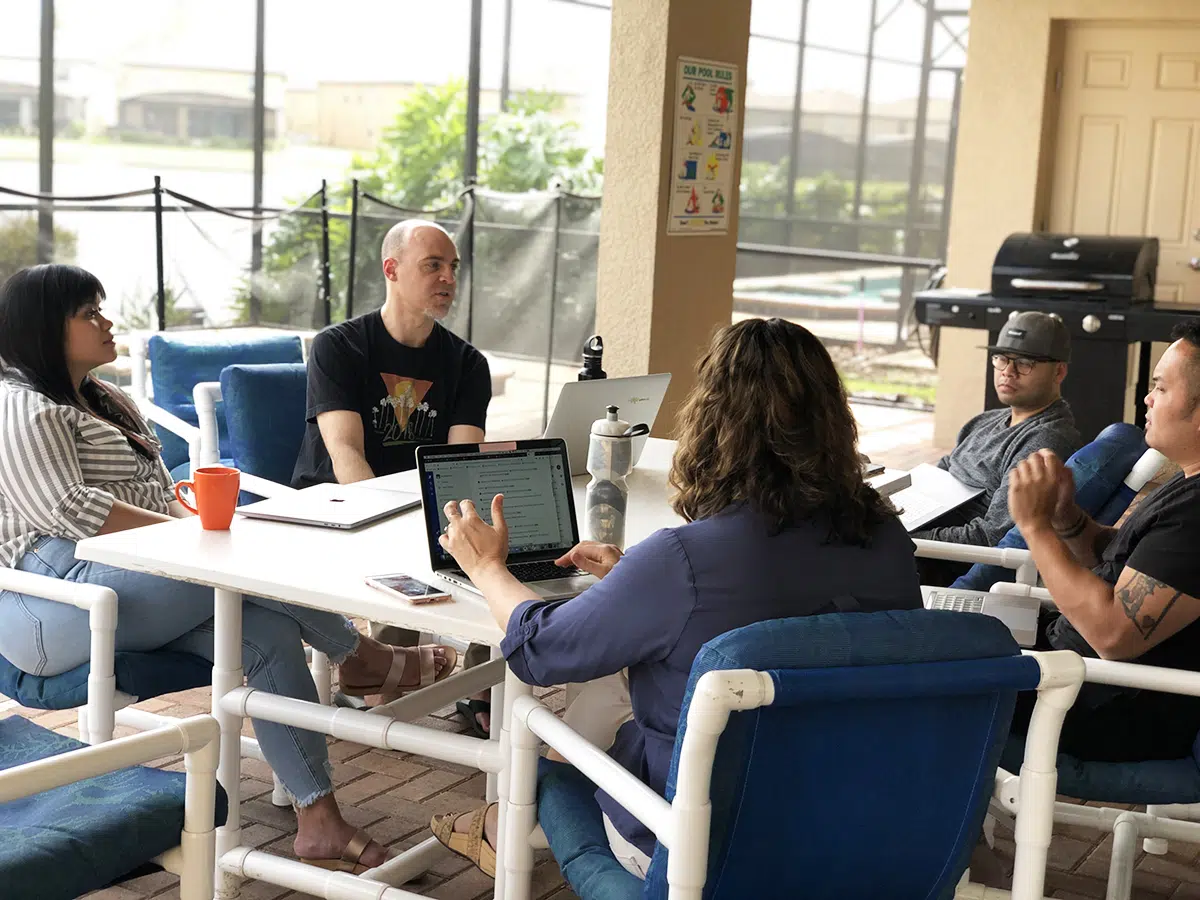
    Members of the Agathon team having a lively discussion around an outdoor table

    You’ll probably never see a project proposal with a line item for “human connection.” And yet, this idea of human connection is one of the intangibles that play an essential part in both the success of a project and the satisfaction of everyone involved.

    What is human connection? For the purposes of this post, we’re talking about fostering strong relationships between people. This helps teams improve communication, align visions and goals, and weather misunderstandings. This connection provides the foundation for successful projects as well as long-term partnerships. And let’s be honest, even the most introverted of us need to connect with others!

    Why Human Connection Matters

    In tech-centered projects, it’s easy to bury human connections. There’s research to do, code to write, and tests to run. And much of this work happens in isolation. Working remotely or with outside teams compounds the issue.

    But in any organization, compassion and empathy play an important role. As you build relationships, each party discovers what motivates the other and can better work together to meet their goals.

    Think of it this way: developing these relationships is like changing the oil in your car. You don’t own a car in order to change the oil, but rather to drive it. However, the more careless you are about regularly changing the oil and nurturing your car, the higher the risk of your car breaking down. And, of course, your car usually seems to break down right when you need it most!

    Just as you own a car to drive it and use it, your ministry exists to faithfully pursue its vision. The amount of intentional care you add to both—whether by changing your oil or building human connection—will affect how smoothly your car, or ministry, will run for years to come.

    For us, getting to know clients through an on-site discovery can be an important part of creating that connection. This time together allows us to dig deep into what drives our clients’ organizations. It also helps us identify their goals for both a specific project and their organization as a whole. And it lays the foundation for open communication and understanding.

    An old rusted silo alone in a field

    The Consequences of a Lack of Human Connection

    Without a focus on interpersonal connection, partnerships will be shallow and fragile. This makes it difficult for individuals to wrestle with ideas and challenges without emotions or conflict. And it can lead to warring factions who fight only for what they need as an individual or group without concern for what the rest of the team needs.

    The lack of connection also leads to a lack of communication and trust. And both of these can slow down and weaken a project. They also lead team members to make poor assumptions and overlook ideas and opportunities.

    It can also leave the people on your team looking toward an exit strategy. This can include trying to catch one another in a mistake or put the blame on the other party. This isn’t healthy for the relationship or the people involved. Not only that, but it also affects the long-term success of the project and the health of the ministry as a whole.

    3 Common Pitfalls That Undermine Human Connection

    Unfortunately, these common pitfalls can undermine your efforts to create human connection among team members, especially as teams grow and work with outside parties:

    1. Siloing different parts of the process.

    There is a temptation to isolate different parts of a project from one another. Some leaders assume the board only needs to sign off on big decisions, or developers don’t need to hear about certain user experience (UX) considerations on the design side, or the overall strategy won’t impact the backend data handling.

    But working in these silos can lead to misunderstandings, wasted time, and extra work.

    2. Sheltering parties from one another

    Similarly, there’s a temptation to shelter different parties from one another. While you don’t want to bombard each person with every little detail or conversation, it’s important to strike a balance. Each person on the team needs a complete enough picture of conversations and decisions to best do their job.

    Whether through a shared Slack channel, Basecamp project, or Jira board, having conversations “publicly” can help facilitate this awareness without overwhelming individual team members with meetings or emails. This keeps everyone aware of what’s happening in other areas of the project so they are better able to ask questions and work together on solutions.

    3. Failing to recognize personality differences, skills, and weaknesses

    On any team, each individual will have specific personality traits, skills, and weaknesses that impact the way we work. Encouraging strong relationships across the team is valuable. But it’s also important to note where two people might struggle to work well together. Similarly, you want to put people in positions that make sense for their skills and experience, i.e. not elevating a junior staff member if it means they’re likely to fail.

    And the opposite is true as well: Putting people together who collaborate well can increase their productivity or creativity. And slotting team members into the roles that fit their skills allows them to shine and benefit the entire team!

    A team hand stack

    4 Ways to Create Human Connection

    There’s no Webster’s definition for “human connection.” For us, it means prioritizing relationships right up there with the work that’s being done. The work is still important (so, so important), but the relationship can’t get lost in the project plan.

    We’ve found these 4 principles help relationships grow into true partnerships:

    1. Involve everyone early and often

    It is not uncommon for a small group of people to lead a project, with others joining on a “need to know” basis. However, involving everyone early—and keeping them engaged throughout the process—benefits the team and the project in many ways. It adds additional perspective and ideation to the work you’re doing. And it helps each person feel more invested in the work they’re doing, not just as individual tasks but in the overall project as a whole.

    That isn’t to say everyone should have an equal say or the team should make decisions by a popular vote. But hearing the perspective of many team members and including everyone in the process that leads to important decisions makes the process and the final project better.

    2. Build a shared understanding of success

    What does success mean for your organization as a whole and for this particular project? Aligning everyone on the team around a shared understanding of success:

    • Creates a bond as everyone works together toward that goal.
    • Centers everyone on the ministry goal rather than just the technical goal.
    • Builds anticipation for how the project will impact that ministry goal.
    • Gives everyone a sense of their role in achieving the larger ministry vision.
    • Helps each team member feel like part of the larger team beyond just the immediate project.

    3. Be real and transparent

    A partnership takes time and effort to build. Anyone can start off a honeymoon phase with a positive attitude and expectations. But you create a high level of trust over time by working together and communicating openly—both in what you say and in how you listen.

    Through this learning period (and beyond!), it’s important to be real, authentic, and transparent. This is the only way the people you work with can trust that what they see is what they get. Being authentic from the very first interaction ensures there are no surprises down the road in how you work or communicate.

    4. Work through conflict

    With a strong foundation, everyone on the team will be better positioned to assume the best of each other at all times. When deadlines are tight, something isn’t working as expected, or there’s an unexpected roadblock, everyone is able to approach it as a team and figure it out together. (And let’s face it, when technology is involved, something will inevitably surprise us.)

    It also means the frustrated party is willing to pick up the phone to bring it to the other party’s attention. For both parties, it means pushing through awkward conversations to resolve the issue and strengthen the relationship. (Most of us don’t enjoy pointing out where someone has messed up or hearing where we ourselves have messed up!)


    Human connection is important to us as a team, but it also impacts the way we work with clients. It’s our focus on human connection that takes our role with our clients from a contracted vendor who delivers code to an active partner in their ministry.

    To learn more about Agathon and the factors that contribute to digital ministry, subscribe to our newsletter.

    "*" indicates required fields

  • Futureproof Your Technology for Growth and Transition

    Futureproof Your Technology for Growth and Transition

    Technology is always changing—both its capabilities and the regulations around it. And just as it’s vital to futureproof your ministry’s digital strategy, it’s also important to futureproof the technology itself.

    Futureproofing determines how well you can pivot in the face of change. This is a key, but often undervalued, part of your role as a steward of your organization’s digital ministry.

    Why futureproofing matters

    Because technology is constantly changing, chances are high you’ll encounter one or both of these two pinch points throughout your career:

    • The need to change from one platform to another to upgrade your technology, integrate with another tool, or meet a new ministry objective.
    • Bringing a new technology on board to augment or expand your existing technology as more tools become available.

    Futureproofing prepares for those inevitable changes so your organization can efficiently transition as needed. Ministries who fail to do this will find themselves wasting time and money as they scramble to keep up.

    Who should be futureproofing?

    Boards and leadership play a vital role in futureproofing a ministry’s strategy. But futureproofing the technology usually depends on those with their boots on the ground: product owners and developers.

    As you’re making decisions about data models, writing tests, and documenting processes, you should always have the future use case in mind as well. How easily can someone step into your role in the future? How easily can you transition to a new program or technology?

    How to futureproof

    Knowing why futureproofing is important and who is responsible for it is a good start, but what does futureproofing look like in the real world? We’ve identified seven areas of focus to help you prepare your digital ministry for the future:

    A diagram of a data model or data structure to help you futureproof your technology

    1. Data structure

    You can lay a strong foundation by structuring your data logically from the very beginning. This means considering the diversity of models represented in your data—both the data coming in (the input) and how it’s used (the output).

    For example, let’s consider a volunteer management system. In this case, the granular data you need to collect might include first name, last name, multiple email addresses, multiple shipping addresses, etc. Building a detailed structure for this data—and then sticking to it—will make future migrations easier. You’ll be able to see where you need to connect the dots, which will increase your confidence in the actual migration.

    It’s important to note that while planning upfront is important, the data model will inevitably change as your organization needs data in a new or different way. The ideas you have about your data today represent a very specific viewpoint. Those ideas will change with your organization, technology, and third-party tools, and your model will need to change as well.

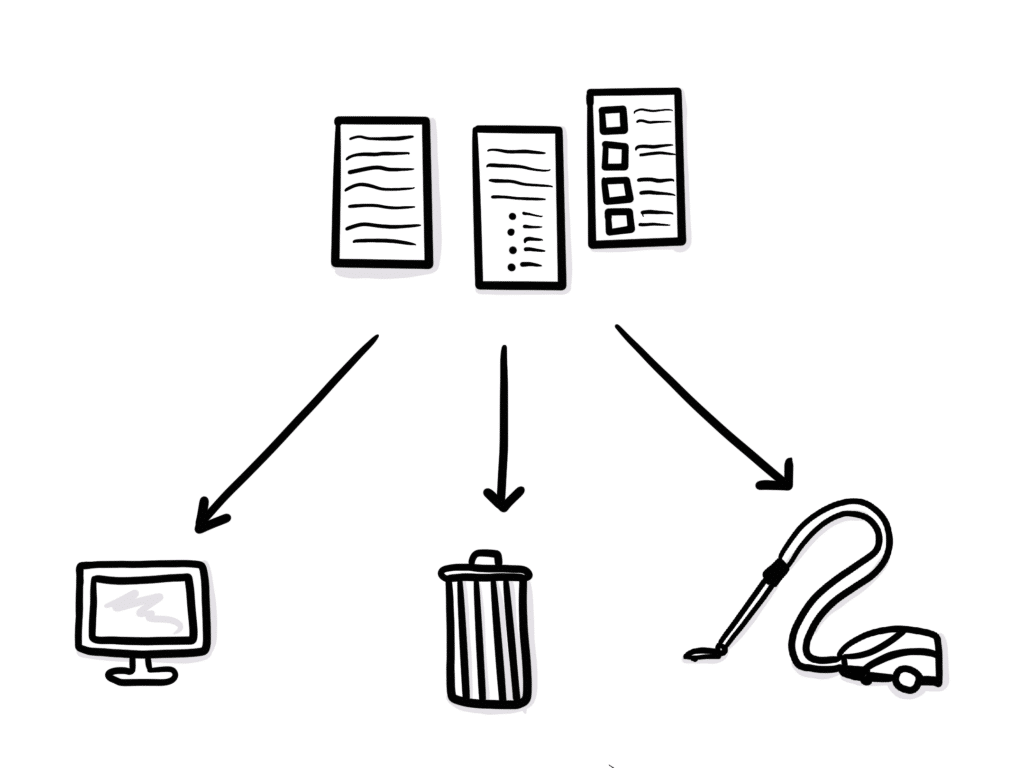
    A diagram showing data ready to be stored, trashed, or cleaned as you futureproof your technology

    2. Data quality

    In addition to modeling data well, the data you collect needs to be “clean.” Data can get dirty if there are no guards or tests in place, i.e., ensuring email addresses are in a valid format.

    When you make updates to the model, you should clean the data to ensure there aren’t unused fields or fields you intended for one thing but used for another. As the data matures, the model also needs to mature with it. For example, consider a broadcast media ministry with hundreds of audio files in the archives. If you want to begin organizing those with tags (Scripture references, spiritual formation terms, topics, etc.), it’s easy to begin tagging files moving forward. But in order to ensure data quality, you will also need to develop a plan for tagging the archives.

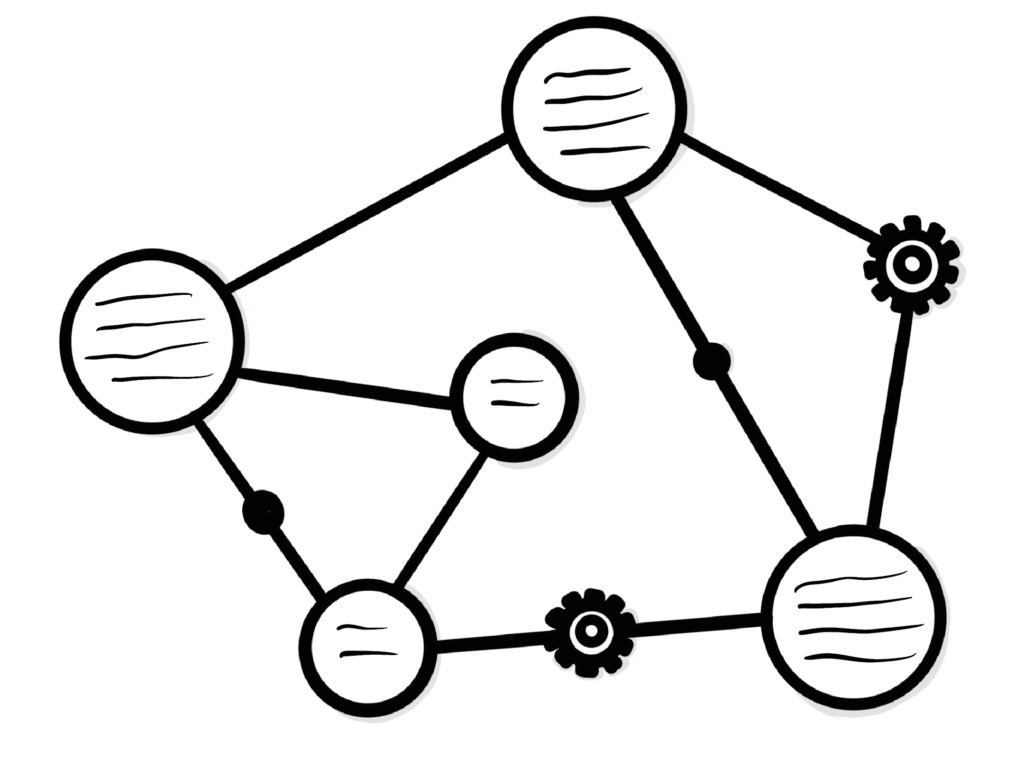
    A diagram showing the interoperability of data (represented by circles connected by lines and gears) as you futureproof your technology

    3. Interoperability

    The next step is to be sure your data is malleable to meet the demands of your ministry goals, both now and in the future. Starting with a solid model and clean data is the first step, but you also need to collect data in a way that is useable in a variety of ways and systems.

    To oversimplify this idea for a minute, think of a single First Name, Last Name field. Let’s say your main purpose for collecting names is for your volunteer database. The single field might work within the volunteer database system just fine. But when you’re ready to begin using that information to send automated emails, you realize the marketing automation system can’t parse it into two separate fields to address your email recipients by first name.

    While that may mean collecting data differently—i.e., separate First Name and Last Name fields—interoperability can also express itself in an API. APIs essentially serve as dispatches that know where to get the data and how to manipulate it for other systems to consume it. So if one system collects First Name, Last Name in a single field, interoperability could mean having an API in place to parse the first and last name for the marketing automation system.

    A diagram showing the compartmentalization of various pieces of a software package (represented by data inside boxes with arrows between them) as you futureproof your technology

    4. Compartmentalize

    Another step you can take to futureproof your technology is to compartmentalize each part of the process. Rather than creating one monolithic application for the entire process, it can be broken down into smaller modules. This allows each piece to stand on its own without being affected by other parts of the process. However, when you compartmentalize something, you have to then be explicit about each of its connections and which parts of the application should be shared.

    Ultimately, this is an IT architecture decision your team should make together. Splitting the workflow into reasonable bits will give you more flexibility downstream but also requires managing each of those connections. Each approach has tradeoffs, and the right answer will vary based on your organizational structure, business logic, and goals.

    A drawing of binders full of documentation for futureproofing your technology

    5. Documentation

    Documentation is a critical part of futureproofing. Good documentation includes the model itself, any manual workflows, and the business logic.

    Documenting the process tells future readers, “When some provocation happens, it goes through this sequence of events to create this result.” For example:

    • Someone signs up to volunteer at an event.
    • The system connects that event to their volunteer record.
    • It fires off an email to the volunteer coordinator.
    • The coordinator initiates a background check.
    • Once that’s done, they manually trigger a response with detailed next steps.

    Documenting the details of what the system does automatically and what humans need to do manually doesn’t happen naturally. Most people on the team will know how the thing works with the way they work. But if it only lives in each individual’s head, it impacts the future of the organization. Instead, you need to be sure there is a clear understanding of the impact of each data point and procedure. The moment the code changes, your documentation will be out of date, so part of documenting well is also keeping it updated.

    A drawing of a laptop with a magnifying glass highlighting a "bug" on the screen to illustrate the importance of tests in futureproofing your technology

    6. Tests

    Writing automated tests is another important part of futureproofing. Done well, testing serves as an additional form of documentation. The tests should be human-readable, and the results should map to the business logic your organization cares about.

    Having good tests in place also creates a safeguard. With automated testing, the system will let you know when a future change breaks something. Tests are the safety net for the inevitable changes the code will go through as your organization’s needs change and grow over time.

    Like documentation, tests are an abstraction from the code. This means any time the code changes, both the documentation and tests need to be updated. This adds a layer of complexity, but automated testing provides safeguards that tend to outweigh that complexity.

    A diagram showing the importance of a governance structure for futureproofing your technology

    7. Governance

    Finally, as data and privacy laws continue to evolve, you should have a clear understanding of the governance of your user data. This includes who has access to the data and when. As the type of data you’re collecting changes and increases, the need for proper governance grows as well. In the case of an audit, you need to show clear accountability for how you manage the data.

    This idea of data governance can span a spectrum from “complicated” to “a legal nightmare.” It includes the data in your customer relationship management (CRM) system, your privacy policy, and how you handle payment information. It can also include data from a wide range of unexpected sources, like web server logs with logged IP addresses. For organizations without the internal expertise to navigate this complicated arena, it may be wise to contract with a specialist who can help you establish governance procedures and avoid legal pitfalls.


    Futureproofing your digital properties requires intention and hard work. But keeping your eye on the future helps ensure your technology can grow with these inevitable changes. This is important for any organization that hopes to continue existing in the future. For ministries, it’s also part of stewarding your donor’s gifts well!

  • How to Conduct an Effective Project Retrospective

    The Agathon team sits around a conference room table for a project retrospective

    When a big project finishes, it’s easy to get caught up in what comes next, quickly shifting gears to focus on the next project. But there’s a cost to doing that too quickly without taking the time to look back at the work you’ve just completed. A project retrospective is an opportunity to discuss what worked, what didn’t, and where improvements can be made.

    Under the agile approach to development, retrospectives are often done weekly or at the end of each sprint. However, we’ve found that meeting as a team at major milestones or the end of each project can be especially valuable. The frequency of retrospectives may vary depending on how your team works, but the value of them remains the same.

    If I have seen a little further it is by standing on the shoulders of Giants.

    Isaac Newton

    To be clear, Agathon didn’t invent the retrospective; however, we’ve adapted this process over time to fit our team as well as the values and needs of the mission-based clients with whom we work. We use this process to celebrate wins and examine where things didn’t go as expected, all with the goal of growing and improving as we move forward.

    We do both internal retrospectives and retrospectives with the client, although rarely both for the same project. It depends on what’s needed most. Internal retrospectives tend to be very tactical, talking about the tools we used or how we divided up tasks. Client retrospectives often discuss process and communication issues. Everything below applies to both types.

    A photo taken in the side mirror of a vehicle, capturing the road, cars, and mountains in the rear

    The value of a project retrospective

    Retrospectives help you answer the question, “What should we learn from this project that we might otherwise forget?” in a number of ways:

    1. Record the things that went well

    Whether a project was a slam dunk or you seemed to encounter challenge after challenge, it’s important to take a moment to identify and record the things that went well. Did your team pivot quickly in the face of new information? Were you able to implement a new procedure that will benefit future projects? These wins are worth noting and celebrating.

    2. Capture the things that didn’t go as well as hoped

    Just as it’s important to capture the things that did go well in the midst of a challenging project, it’s essential to identify the things that didn’t go as well, even if the overall project was a success. In fact, many of your action items (see the third “ingredient” below) will come out of this category. The retrospective provides an opportunity for you to pause and really think about how those challenges can be avoided or overcome in the future.

    3. Examine the things that are still puzzles

    Was there something that didn’t feel like it went smoothly even though objectively it was a success? Are there areas where your team continues to struggle but hasn’t yet come up with a solution? Talking through these things as a team with the project fresh on your mind can help you work toward a solution.

    4. Provide an opportunity to stop and celebrate successes

    A retrospective is a way to stop and acknowledge the completion of a project. It’s also a way to say thank you to the team members who have worked hard to get it to that point. The team as a whole should be celebrated, as should individual team members who demonstrated leadership, perseverance, or creative problem solving.

    5. Reinforces a culture of continuous improvement

    A culture of continuous improvement is one where everyone is looking for ways to work more efficiently, improve processes, and reduce errors. It’s one thing to say you’re committed to this type of culture, but a project retrospective reinforces that commitment by setting aside time to have these conversations and create action items for the future.

    Without a structured project retrospective, the team misses out on the chance to identify both successes and failures and, in turn, the opportunity to grow. Individual team members also miss out on the chance to step back and see the bigger picture of the overall project and evaluate their work within that context.

    [contentupgrade id=”2456″]

    The ingredients of a successful project retrospective

    Running a successful project retrospective requires a commitment from the team. Over time, we have found that these key ingredients bring good ideas to the surface, encourage continued growth as a project team, and set future projects up for success:

    1. A willingness to be honest

    For a retrospective to truly bring value to your team, everyone has to come to the table ready to honestly assess and share both their successes and failures. Just as importantly, each team member must be willing to offer constructive feedback to one another.

    To facilitate a culture that allows for this level of honesty and transparency, there must be trust among the team. We invoke the “cone of silence” during retrospectives, assuring each person that as we process through our thoughts, they can share freely and honestly without blame or consequence.

    2. An opportunity for everyone to share their thoughts

    It can take time for individuals to process their thoughts about how the project went. However, it’s imperative that every team member contributes during the retrospective. Providing notice ahead of time allows each team member to prepare. The moderator then takes responsibility for encouraging everyone to share their thoughts, even if they’re reluctant to speak up.

    A group sits around a conference table with laptops and tablets

    3. A time for creating action items

    Without action items, a retrospective simply becomes another meeting. Pausing to celebrate the completion of a project and the things that went well is encouraging for the entire team and shouldn’t be neglected. But there’s also a practical, operational value that comes from the action items you create at the end of the retrospective.

    As with goal setting, the action items you set should be small, defined, and measurable; they should be able to be checked off when done. Because a project retrospective is done at the end of a project, most of the action items will apply to future projects. Examples might include:

    • Meet every Monday for 15 minutes to review XYZ.
    • Create an accessibility checklist to follow.
    • Schedule meeting to review status of stories.

    4. A template to follow to make sure the right questions are asked.

    Following a template helps the moderator keep the retrospective focused and moving forward so you can get to the point of creating action items. We’ve been using the same basic template for many years now, with only small tweaks as we’ve learned how to tease out insights. That consistency means everyone knows what to expect during the retrospective, which removes any nervousness around the process itself and allows everyone to focus on contributing.


    Taking the time to look back and identify things that have gone well as well as areas where we’ve struggled is an important part of growing as individuals and as a team. Project retrospectives provide the framework for us to do that in a safe, structured environment.